



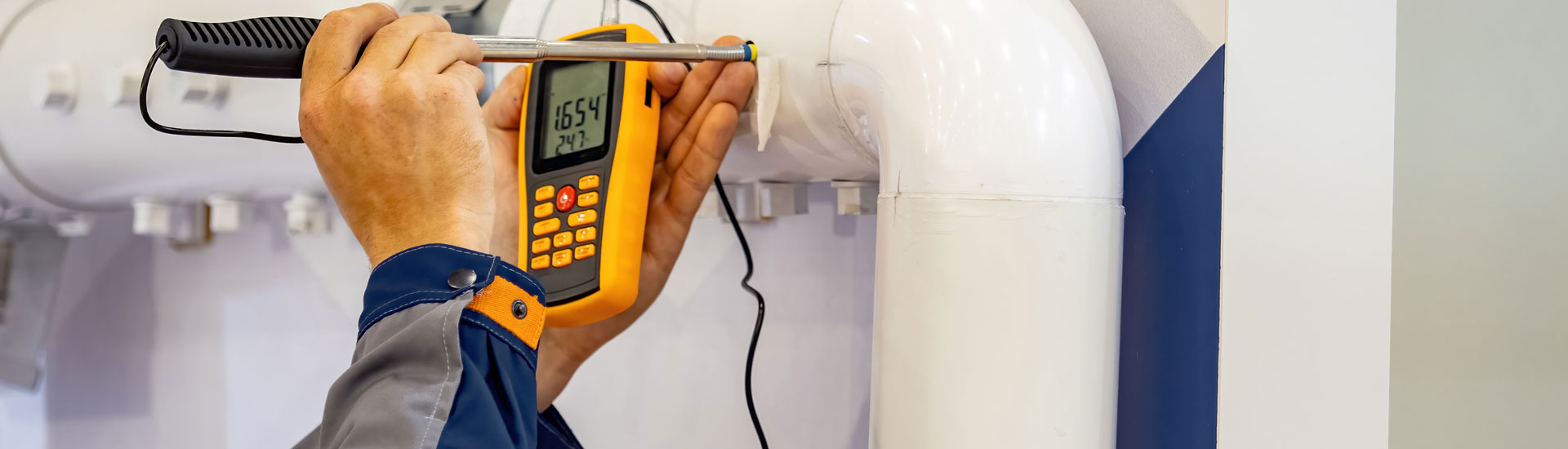
After the summer break, the resumption of activities is the ideal time to check that gas systems and detection systems are operating correctly.
For many companies, businesses, schools, offices and accommodation facilities, September marks the return to full operation. After a period of closure or reduced use, it is important to carry out a number of essential checks before fully restarting the systems.
During weeks of inactivity, faults, deterioration or changes in the condition of premises and equipment may occur. A preventive inspection makes it possible to identify potential problems before they can compromise the safety of people and facilities.
Check systems before restarting
Gas systems must be reactivated carefully, especially when appliances, pipework and plant rooms have remained unused for an extended period.
Before resuming activities, it is advisable to check:
- the condition of pipes and connections;
- that valves open and close correctly;
- that there is no damage or evidence of deterioration;
- that gas appliances are operating correctly;
- the efficiency of ventilation systems;
- that air inlets and ducts are free from obstructions;
- that scheduled maintenance deadlines have been met.
Technical operations must be carried out by qualified personnel. Improvised work should be avoided, as it could compromise the reliability of the system.
Check detectors, probes and control units
A safe system does not depend solely on gas appliances operating correctly. Detection devices must also be checked periodically.
Detectors, probes and control units are designed to promptly detect the presence of hazardous gases and activate the connected warnings or safety devices.
When activities resume, it is therefore important to check:
- the power supply to the devices;
- that there are no fault warnings;
- the correct connection between probes and control units;
- the effectiveness of audible and visual alarms;
- the operation of any controlled devices, such as solenoid valves and ventilation systems;
- the condition of the sensors and the relevant inspection or replacement deadlines.
The mere fact that a device is switched on does not guarantee that the entire system is operating correctly. Testing and maintenance must therefore be carried out by competent technicians and in accordance with the manufacturer’s instructions.
Particular attention to professional environments
Professional kitchens, laboratories, industrial facilities, boiler rooms, car parks and plant rooms may present different conditions after a period of closure.
Dust, humidity, maintenance work, the movement of equipment or changes to ventilation may affect the operation of safety systems. Before returning to normal operation, it is therefore advisable to ensure that detectors have not been covered, damaged, disconnected or made less effective by obstacles in the surrounding area.
In premises where combustible, toxic or refrigerant gases are used, it is also essential to check that the installed devices are suitable for the gas to be detected and the characteristics of the environment.
Preventive maintenance protects people and businesses
Waiting for a fault or alarm to occur before taking action can expose people, systems and facilities to avoidable risks.
Preventive maintenance makes it possible to check system efficiency, reduce the possibility of unexpected downtime and ensure a safer, more orderly resumption of activities.
Scheduling regular inspections and retaining maintenance records also helps keep the condition of the system under control over time.
Restart safely with Beinat
Beinat designs and manufactures detectors, probes and control units in Italy for monitoring combustible, toxic and refrigerant gases in residential, commercial and industrial applications.
From detection in smaller environments to the management of complex systems, Beinat solutions provide continuous gas monitoring and enable prompt action in the event of a fault or abnormal condition.
Returning after the holidays is the right time to check existing systems and ensure that every device is ready to perform its function correctly.
Safety does not simply restart when the doors reopen: it must be checked before operations resume.