



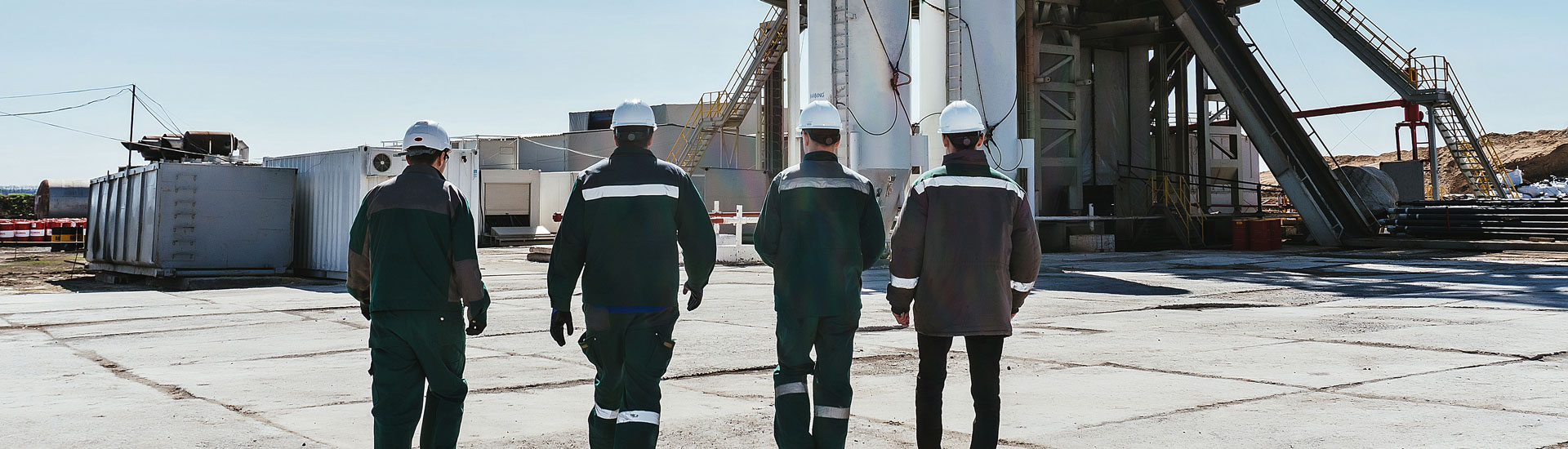
On the occasion of the Labour Day, the topic of workplace safety becomes even more central. Protecting people also means ensuring the proper functioning of systems, starting with gas detection systems.
Gas control units represent the heart of every detection system. Their reliability is essential to guarantee the safety of people, environments, and facilities. However, installation alone is not enough: without regular maintenance and periodic inspections, even the most advanced system can lose effectiveness.
For installers, companies, and plant operators, knowing and applying proper maintenance practices means ensuring operational continuity, reducing the risk of failures, and complying with current regulations.
Why maintenance is essential
In gas detection, there is no room for error. A poorly calibrated control unit or worn components can compromise leak detection, exposing people and facilities to serious risks.
Inadequate maintenance can also lead to:
- significant material damage
- legal liabilities
- negative impacts on company image
On the other hand, proper management allows to:
- reduce costs related to extraordinary interventions
- extend the lifespan of systems
- ensure regulatory compliance and certifications
Beinat technologies for monitoring and diagnostics
Beinat control units stand out for reliability and precision, thanks to advanced features that support maintenance:
- continuous automatic diagnostics with real-time anomaly detection
- multi-zone and multi-sensor management for complex systems
- integration with external alarm systems
These technologies not only improve safety levels but also make inspection and maintenance operations easier and more efficient.
Regulations and periodic inspections
Italian and European regulations require gas detection systems to undergo scheduled inspections by qualified personnel.
In particular:
- functional tests must be carried out at least once a year
- control units must be calibrated to ensure constant sensitivity certified spare parts must be used
- A non-compliant system may result in penalties, operational downtime, and legal liability in case of an accident.
Daily best practices
In addition to scheduled maintenance, there are simple daily actions that make a difference:
- visually check wiring and connections
- keep sensors clean from dust and external agents
- perform manual alarm tests
- record every intervention in a maintenance log
For companies with multiple systems, adopting a centralized maintenance plan allows easy monitoring of deadlines and activities, improving efficiency and control.
Conclusion
Safety is never a detail, but a daily responsibility.
On this Festa dei Lavoratori, we are reminded how essential it is to invest in reliable technologies and constant maintenance to protect what truly matters: people.